What you are buying into
Because Emil Filla died in 1953, this work is in the public domain. We are painting a copy of a painting — we never pass it off as the original, and neither should anyone selling you one.
We paint it in oil on canvas, one at a time, in Dafen Village. Nothing is printed, scanned or transferred.
It is an original composition painted before 1953, and our version is painted from the surviving image of it.
You are buying a painting, not a file. That distinction is the whole business we are in.
How to read it
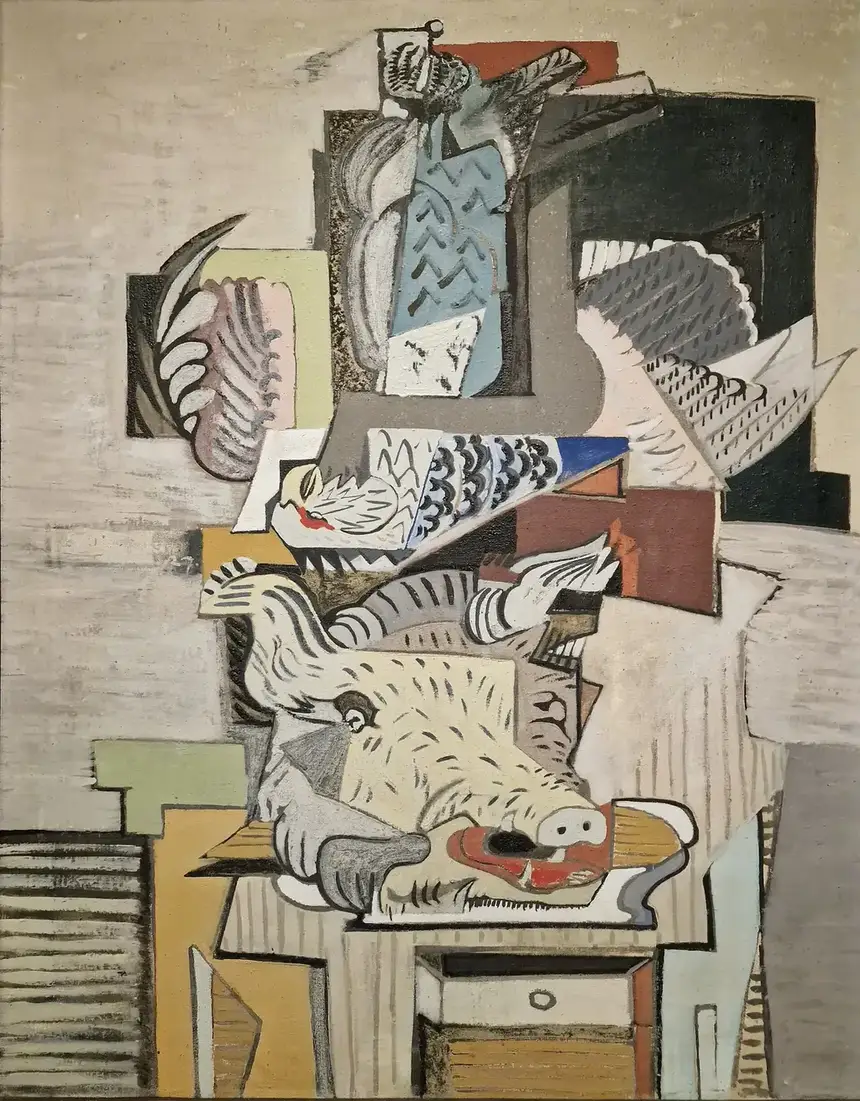
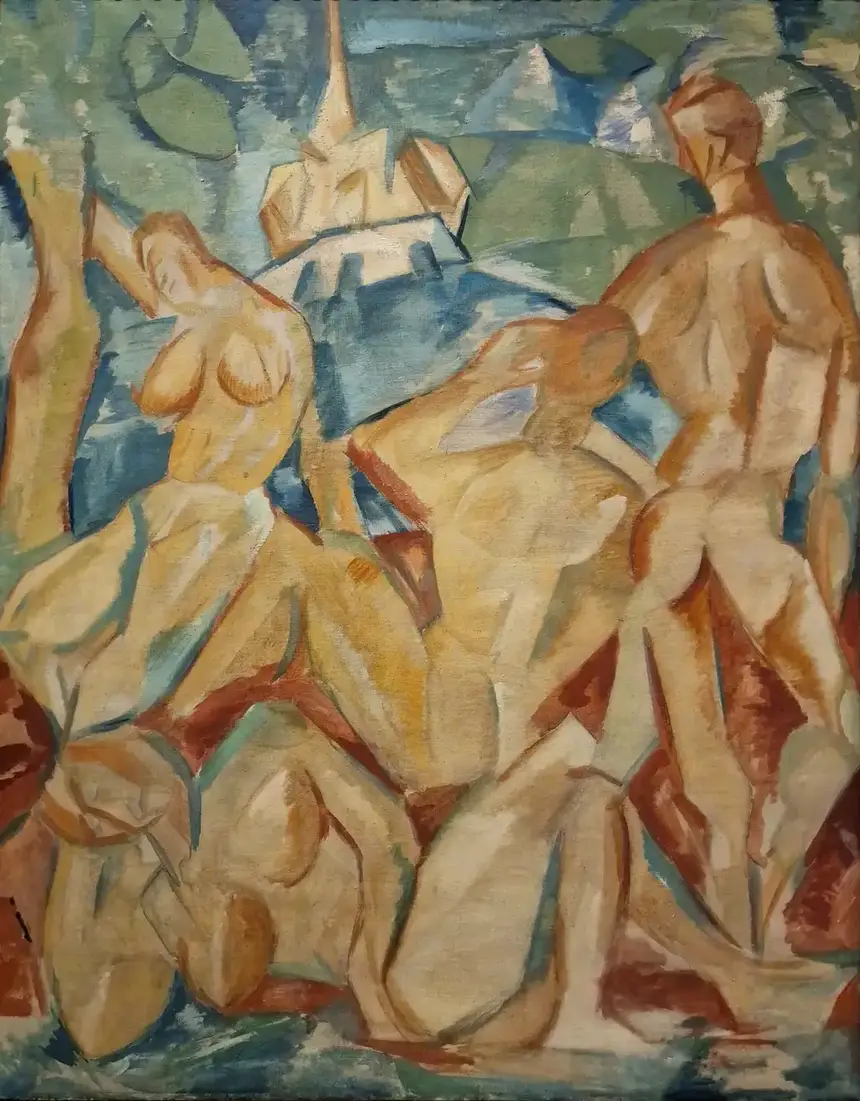
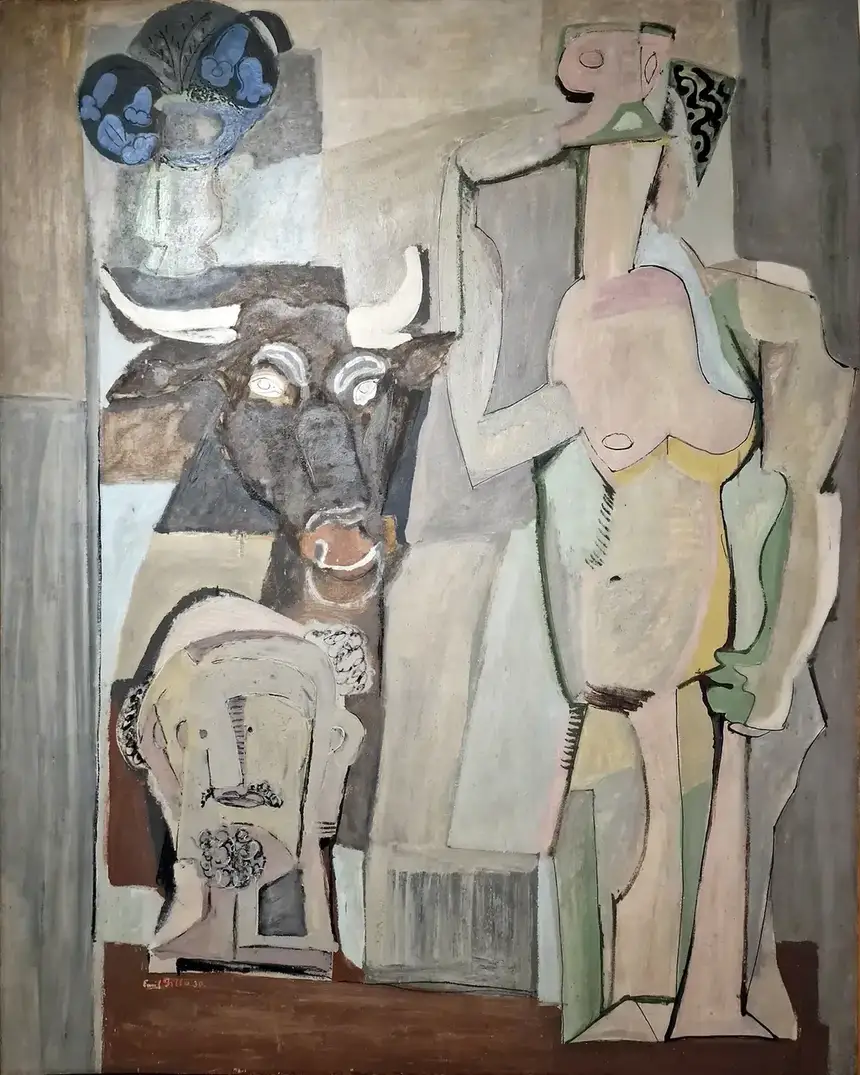
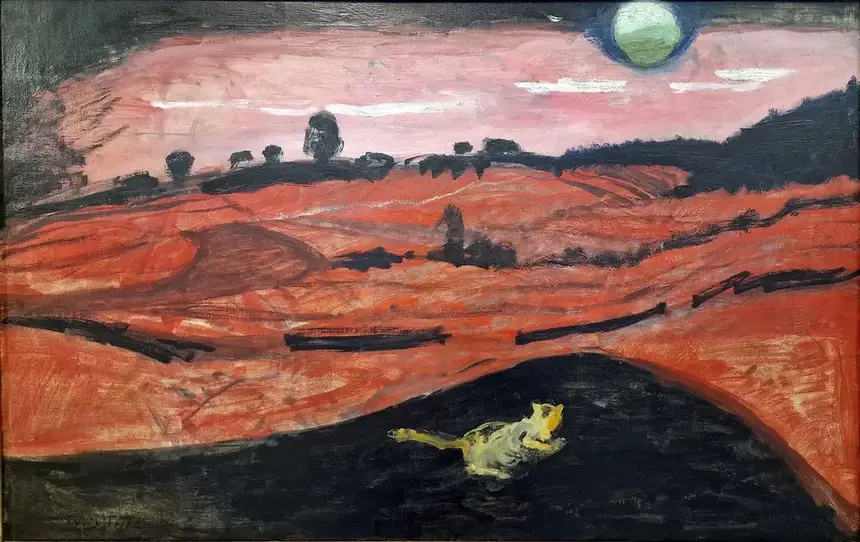
Liebesnacht Nationalgalerie Prag anagoria rewards a second look because the light is doing something specific, and it only does it in oil.
We keep the original proportions rather than cropping to a standard frame, so an unusually wide composition stays honest.
The brightest passage is kept small. That is what makes it read as bright.
Every colour in Liebesnacht Nationalgalerie Prag anagoria has a warm version and a cool version, and the painter chooses between them passage by passage.
The thick paint is kept for the light and the thin paint for the dark, which is the traditional way round.
The difficult part is not the detail. It is keeping the whole canvas at the same stage of finish.
It works best on a wall you pass rather than one you sit and stare at — the paint rewards a moving eye.
| Artist | Emil Filla |
|---|---|
| Title | Liebesnacht Nationalgalerie Prag anagoria |
| Created (original) | 1907 |
| Medium | Oil on canvas, hand-painted to order |
| What you receive | A hand-painted oil painting on canvas |
| Public domain | Yes — the artist died over 70 years ago |
The case for painting it by hand
Prints are good at information and bad at paint. This subject is mostly paint.
Where the original is loaded, ours is loaded. Where it is thin, ours is thin. Matching the weight of the paint matters more than matching the colour.
| Aspect | Hand-painted oil | Printed canvas |
|---|---|---|
| Lifespan | Slow to change; varnish can be refreshed decades later | Fades and cracks sooner |
| Texture | Ridges and drag you can see from across a room | None, or a printed imitation of it |
| Changing something | Tell us and the passage gets repainted | Usually means starting the file again |
| Sense of depth | Real, created by layers of paint | Simulated by darker ink |
| Handling of colour | Mixed on the palette and finished on the canvas | Fixed by the colour profile |
Matching the original's degree of finish is harder than matching its colours.
Every canvas is painted to order, so the quote follows your size, frame and destination rather than a fixed list. Tell us what you need on WhatsApp and we reply with an exact figure, usually within the hour. There is no agency in between; the studio that paints your canvas is the one answering your messages.
How your painting is made
No two canvases are painted the same way, but the sequence is always this:
- We start with the canvas itself — stretched, sized and left to settle before any colour is mixed.
- Laying in the drawing — done by eye from the reference, not traced or projected.
- The first colour pass — thin and simple, establishing the main shapes only.
- Getting the values right — the stage that decides whether the finished painting holds together.
- Colour is built up — warmer and cooler versions of each passage, laid over the underpainting.
- Finishing passes — the loaded highlights go on at the end and stay there.
- Drying and varnishing — the final varnish goes on once the paint has set, before we photograph it.
The hardest passage is the quiet one, where a small mistake has nowhere to hide.
Canvas, paint and varnish
We do not use a printer at any stage. There is no giclée, no canvas transfer, no digital underlayer. Stretcher bars are kiln-dried and wedged, so the canvas can be re-tensioned years later.
Each painter works on one canvas at a time — the painting you ordered is not shared with another order. The varnish is removable, so a conservator can clean the painting in fifty years without touching the paint.
Living with it
Once the varnish has cured the surface can be cleaned by a conservator, but in a normal house it will not need it for decades.
On framing
If you are shipping, an unframed canvas rolled in a tube is considerably cheaper to move than a framed one.
Most clients wait for the photographs before choosing a frame, which is the sensible order.
What size works
Because each piece is painted from scratch, you are not limited to stock dimensions. These are the sizes clients ask for most:
| Size (inches) | Size (cm) | Best for |
|---|---|---|
| 24 × 20 in | 60 × 50 cm | Study, home office, above a desk |
| 20 × 16 in | 50 × 40 cm | Bedroom, hallway, above a console |
| 16 × 12 in | 40 × 30 cm | A shelf, a small wall, a gallery group |
| 64 × 48 in | 163 × 122 cm | Villa scale, lobby, hospitality wall |
| 48 × 36 in | 122 × 91 cm | Large living room, stairwell, loft |
If your wall is an odd shape, send the measurement and we will work to it. Proportions from the original are kept unless you ask us to change them. Import charges, where they exist, are the buyer's responsibility (DAP). We never add them to the quote and never guess what they will be.
Given the subject, this sits naturally in a living room or a study rather than a hallway.
Tell us where it will hang and how big it needs to be — we will price it properly.
💬 Get a Quote for Liebesnacht Nationalgalerie Prag anagoriaOrder, painting, shipping
From order to finished canvas is 9–15 days. Freight appears as a separate line on the quote and is fixed before you pay.
In transit it is typically 7–10 business days by air, tracked door to door. Every shipment goes out with tracking. We do not send anything untracked.
Before anything is packed, you get photographs of the actual canvas and a chance to ask for changes. Adjustments are part of the process. Say what you want different and it gets done.
We sell DAP: the price covers the painting and the freight, and any import duties or taxes are the buyer's to settle with customs. We do not collect them and we do not estimate them.
Work begins on a deposit and ships on the balance. Both figures are on the quote. Report any transit damage within 48 hours with photographs and we will deal with the carrier. We will not promise a payout, but we will not leave you to argue alone either.
What people ask us
What if it does not look right to me?
We send photographs of the actual painting for your approval before anything ships. That is the moment to tell us what to adjust.
How do I clean and care for it?
Dust lightly with a dry, soft brush and keep it out of direct sun. Nothing else is needed for decades; oil paint is slow to change and easy to live with.
How do I hang it?
Centre it at about 145 cm from the floor, or two-thirds the width of the furniture below it. We will tell you the exact number for your wall.
How long does it take?
Painting takes 9–15 days. Air freight is usually 7–10 business days on top of that, tracked.
Do you take a deposit?
A deposit starts the canvas and the balance falls due before it ships. Both figures appear on the quote.
Will I see it before it ships?
Yes. We send photographs of the finished canvas and wait for your reply before packing.
Does it come framed?
Frames are priced on their own line. Most clients choose after seeing the photographs.
Is it really painted by hand?
Yes. One painter, oil paint, brushes. We do not own a printer that touches canvas.
Can you paint a different work by Emil Filla?
Yes. Send the image and we will quote it, or browse the other paintings we have listed.
Who pays the import duty?
The buyer does. Terms are DAP: duties and taxes, where they apply, are paid on arrival. We never add a tax line of our own.
Is owning a reproduction legal?
Yes. Emil Filla died more than 70 years ago, so the work is in the public domain and owning a hand-painted version is legal anywhere. We never pass ours off as the original.