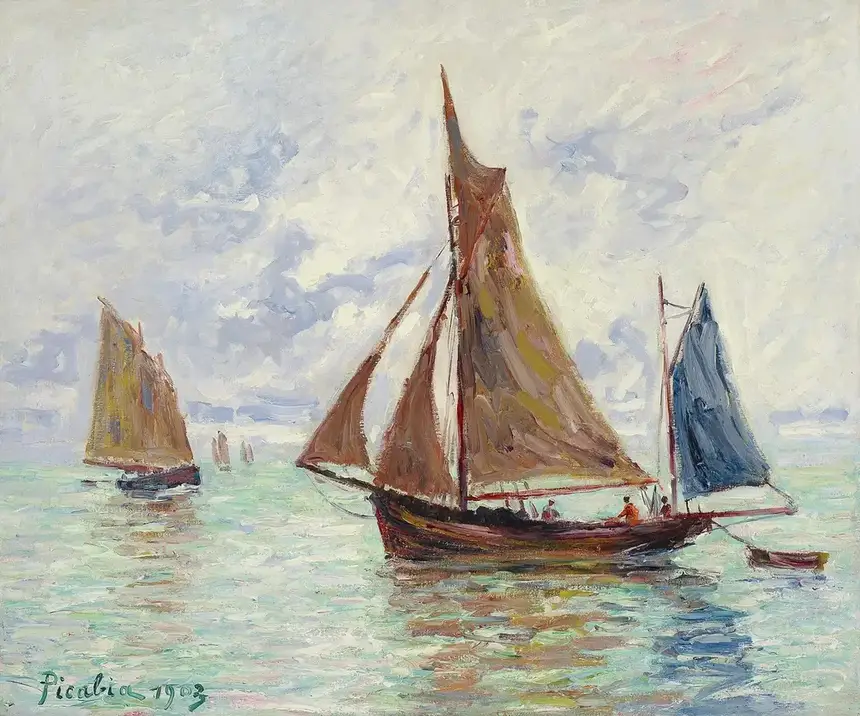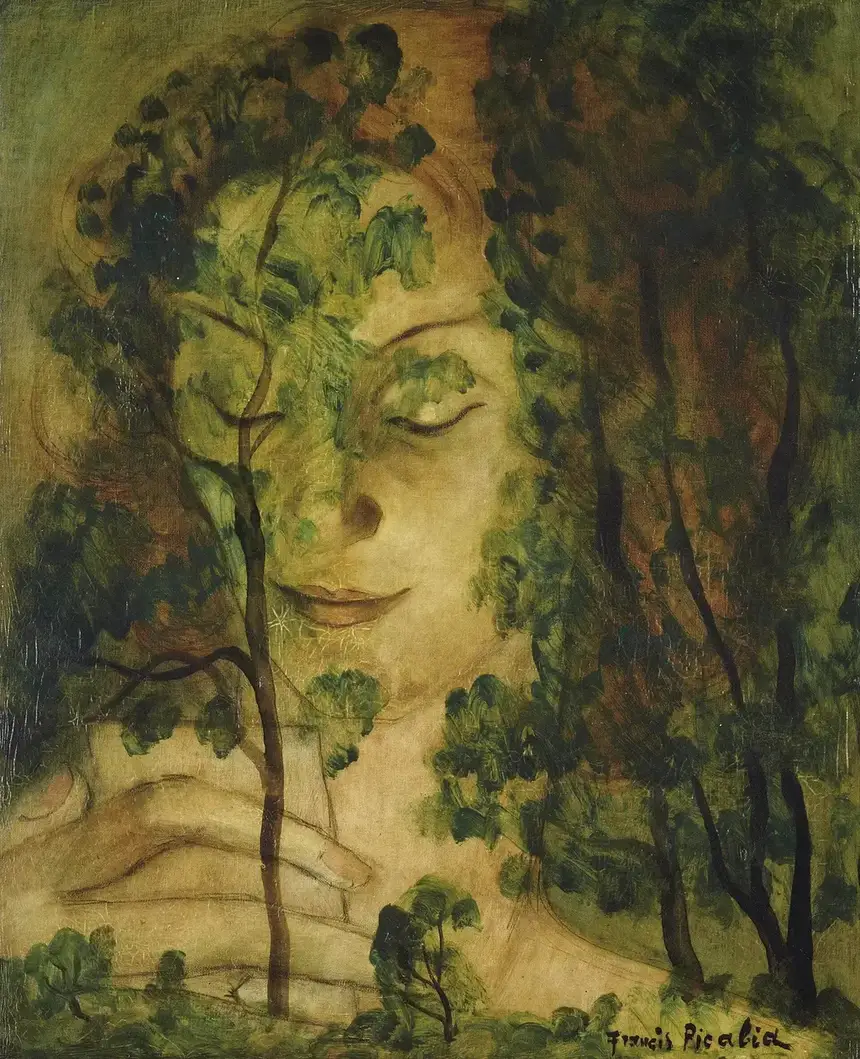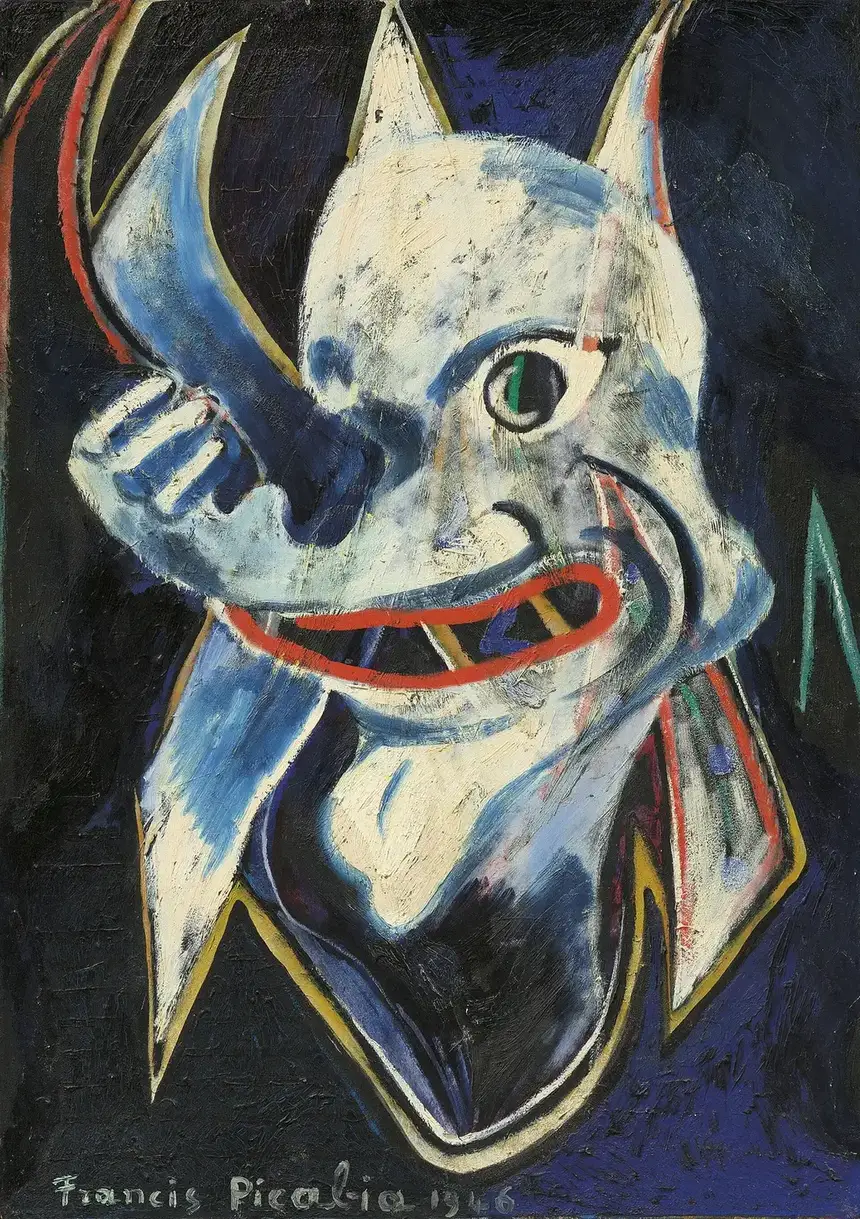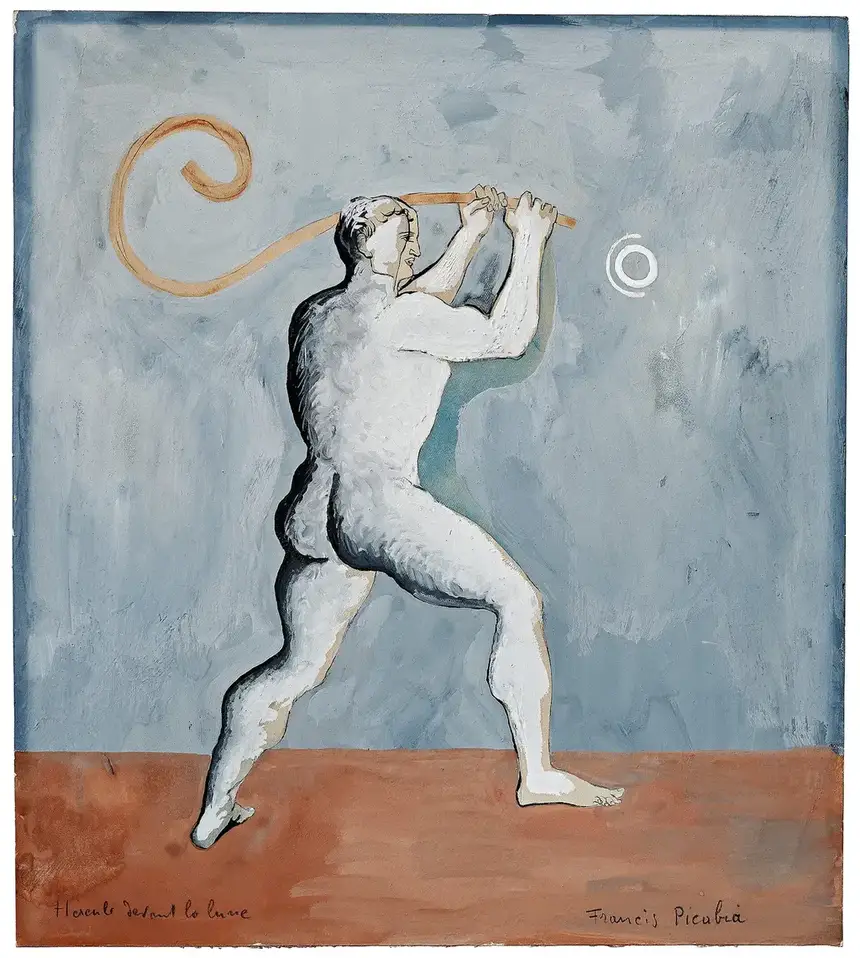
Where this painting comes from
Because Francis Picabia died in 1953, this work is in the public domain. We are painting a copy of a painting — we never pass it off as the original, and neither should anyone selling you one.
Ours is a painting made with brushes. There is no giclée, no canvas transfer and no digital underlayer anywhere in the process.
The painting was made in the years before 1953, and what we reproduce is the record of it, not the object.
You are buying a painting, not a file. That distinction is the whole business we are in.
Looking at it properly
The subject is ordinary. What is not ordinary is how the paint is loaded — that is the part a press cannot reproduce.
The horizon does the work here, and it is placed deliberately rather than centred.
The sky sets the light for everything below it, so it is painted first.
We keep the original's palette rather than brightening it, even where a modern eye would.
Edges are made by the brush, not by an outline, and they are the hardest thing to copy.
Getting hercule devant la lune 2021 right means painting it in the right order, and the order is not obvious.
It suits a room with warm, low light. Strong downlighting flattens the surface.
| Artist | Francis Picabia |
|---|---|
| Title | Hercule devant la lune |
| Medium | Oil on canvas, hand-painted to order |
| Reproduction | Hand-painted oil on canvas, made to order |
| Original status | Public domain (artist deceased) |
Why hand-painting matters here
What you lose in a print is the air. A press lays ink flat; a painter builds depth in layers, and the depth is what you actually see.
Edges are left soft where the form turns away and sharp where it does not. That single habit is what separates a painting from a copy.
| Aspect | Hand-painted oil | Printed canvas |
|---|---|---|
| Colour | Mixed for each passage, warm and cool versions | One flat value per area |
| Size | Any size, painted to your wall | Limited by the printer |
| Edges | Chosen by the painter, passage by passage | Whatever the file happens to contain |
| Sense of depth | Real, created by layers of paint | Simulated by darker ink |
| Texture | Ridges and drag you can see from across a room | None, or a printed imitation of it |
Matching the original's degree of finish is harder than matching its colours.
Every canvas is painted to order, so the quote follows your size, frame and destination rather than a fixed list. Tell us what you need on WhatsApp and we reply with an exact figure, usually within the hour. You are talking to the people who will actually paint it, not a middleman.
The sequence on our floor
No two canvases are painted the same way, but the sequence is always this:
- We start with the canvas itself — stretched, sized and left to settle before any colour is mixed.
- Laying in the drawing — done by eye from the reference, not traced or projected.
- The big shapes are blocked in — thin paint, one colour at a time, the whole canvas at once.
- Setting the key — how dark the darks go determines everything that follows.
- Colour is built up — warmer and cooler versions of each passage, laid over the underpainting.
- Finishing passes — the loaded highlights go on at the end and stay there.
- Drying and varnishing — the final varnish goes on once the paint has set, before we photograph it.
The hardest passage is the quiet one, where a small mistake has nowhere to hide.
Living with it
Oil paint needs very little: no water, no cleaners, no sprays. A dry brush and a stable room.
What goes into it
Stretcher bars are kiln-dried and wedged, so the canvas can be re-tensioned years later. The ground is a proper acrylic sizing, so the oil does not rot the fabric over time.
We do not use a printer at any stage. There is no giclée, no canvas transfer, no digital underlayer. Brushes, knives and rags. That is the equipment list; there is no machine in the process.
Whether to frame it
A frame is a separate line on the quote, not a bundle. You choose it once the painting exists.
A frame is a separate line on the quote, not a bundle. You choose it once the painting exists.
Choosing a size
Any size is possible. These are simply the ones that come up most often in quotes:
| Size (inches) | Size (cm) | Best for |
|---|---|---|
| 64 × 48 in | 163 × 122 cm | Villa scale, lobby, hospitality wall |
| 48 × 36 in | 122 × 91 cm | Large living room, stairwell, loft |
| 40 × 30 in | 102 × 76 cm | Living room focal wall, above a sofa |
| 32 × 24 in | 81 × 61 cm | Living room, above a sideboard |
Tell us the wall width and we will tell you what looks right rather than what is standard. DAP terms: we pay the freight, you settle any duty or tax your country applies. We do not collect taxes on anyone's behalf.
Hang it at eye level — roughly 145 cm from the floor to the centre — and it will hold the wall.
Message us the dimensions you have in mind and we will come back with a figure.
💬 Get a Quote for hercule devant la lune 2021 AMS 20927 0001 000Timeline and shipping
The painting takes 9–15 days, and delivery is priced separately on the quote so there is no surprise later.
Air freight runs about 7–10 business days, tracked, to your door. Rolled in a tube it travels cheaper and safer than framed; most overseas clients take it that way.
You see photographs of the finished painting before it ships, and you tell us what to adjust. If something is not right, tell us what to adjust and we adjust it.
We sell DAP: the price covers the painting and the freight, and any import duties or taxes are the buyer's to settle with customs. We do not collect them and we do not estimate them.
A deposit starts the canvas and books the painter's time; the balance is due before the crate leaves. If a crate arrives damaged, send us photographs within 48 hours and contact us directly — we will sort it out with you.
What people ask us
Does it come with a certificate of authenticity?
No, and we would be wary of anyone who issues one for a public-domain reproduction. What you receive is a hand-painted canvas and photographs of it before it ships.
Can I get this in a size that is not listed?
Yes — the listed sizes are the common requests, not a limit. Very wide or unusually tall proportions are routine for us.
Why not just print it?
A print flattens the surface into a poster: the distance collapses and the highlights turn to grey. Paint keeps the depth and the texture the original was built from.
How do I hang it?
Roughly 145 cm from floor to centre works for most rooms. Tell us your wall and we will give you the measurement.
Do you sell prints?
No prints at all — no giclée, no canvas transfer, nothing machine-made.
Is owning a reproduction legal?
Yes. Francis Picabia died more than 70 years ago, so the work is in the public domain and owning a hand-painted version is legal anywhere. We never pass ours off as the original.
Who pays the import duty?
You do. We sell DAP, so any duty or tax your customs authority charges is settled by you at import. We do not collect it and we do not estimate it.
Does it come framed?
Frames are priced on their own line. Most clients choose after seeing the photographs.
What is the canvas made of?
Cotton or linen, oil colour, and varnish. Stretcher bars are wedged so the canvas can be re-tensioned later.
Will I see it before it ships?
Yes. We send photographs of the finished canvas and wait for your reply before packing.
Do you take a deposit?
Work begins on a deposit and ships once the balance is paid. Nothing is charged that is not on the quote.
Is it really painted by hand?
Yes. One painter, oil paint, brushes. We do not own a printer that touches canvas.